• Skip to primary navigation
  • Skip to main content

Accurate Products Inc.

773-878-2200
  • Capabilities
    • About Accurate Products Inc.
    • Manufacturing
      • Custom Parts
      • Die Cutting
      • Extrusions
      • Global Sourcing
      • Plastics
      • Stamping
      • Standard Parts
    • Value Added Services
      • Reverse Engineering
    • Global Sourcing
    • Technical Information
      • ISO Cert
      • PPAP
      • Molding Process
      • Standard Tolerances
      • Mixing Equipment
      • Testing Equipment
      • Comparator
      • FTIR Scan
  • Industries
    • Agricultural & Farming Equipment
    • Automotive
    • Brake Aftermarket
    • Commercial Electronics & Wiring
    • Gaming
    • HVAC, Heating & Air
    • Medical
    • Printing & Paper Handling
    • Recreational Vehicles
    • Train & Rail
  • Standard Products
    • Injection Molding
    • Button Bumpers
    • Machine Screw Bumpers
    • Recessed Bumpers
    • Stem Bumpers
    • Tack Bumpers
    • Die Cut Parts
    • Standard/Custom Extrusions
    • MIL SPEC Grommets
    • Rubber Grommets
    • Hoses
    • Leg Tips
    • Mounts
    • O-Rings
    • Seals
    • Stoppers
    • Suction Cups
    • Vinyl Caps
    • Precision Rubber Grommets Services in Chicago, IL
  • Custom Products
    • Custom Tooling
    • Custom Plastic Parts Manufacturing
    • Custom Plastic Product Manufacturing in Chicago, IL
    • Precision Custom Rubber Parts Manufacturing in Chicago, IL
    • Custom Rubber Parts & Injection Molding Services in Chicago, IL
  • Blog
  • Request for Quotation
    • Frequently Asked Questions

5 Benefits of Purchasing Die Cut Automotive Parts

June 5, 2023

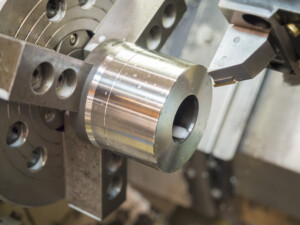
operator machining mold and die parts for automotive by CNC lathe

Die cutting is a manufacturing technique used to make a wide range of rubber parts. From gaskets and seals to bumper pads and barriers, die-cut parts can be produced in a highly efficient and cost-effective manner.

During die cutting, a substrate can be shaped, scored, or perforated into designs that fit customer preferences. This process is particularly useful when producing parts made from rubber. Discover five benefits of purchasing die-cut parts for your business applications.

Read More about 5 Benefits of Purchasing Die Cut Automotive Parts »

Understanding Rubber Hoses

May 2, 2023

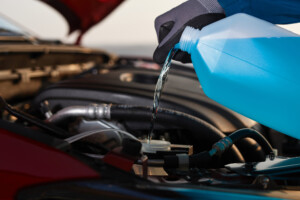
Large container of windshield washer fluid

Rubber hoses are essential components of most industrial operations. These components are frequently used to transfer liquids, gases, and chemicals from one point to another, connecting pumps, valves, and other such equipment in a fluid system.

Additionally, rubber hoses come in various types with different properties that make them suitable for certain applications. This blog explains rubber hoses, their uses, and their benefits. Read More about Understanding Rubber Hoses »

A Guide to Rubber Gaskets

March 27, 2023

Leakage Of Water From Stainless Steel Pipe On Gray Background

A rubber gasket is a piece with a customized circular shape that can fit and fill any gap between two objects. Gaskets are the perfect way to seal spaces between two hard surfaces that can’t completely fuse together. Here is what you need to know about rubber gaskets.

Read More about A Guide to Rubber Gaskets »

Applications of Vinyl Caps

February 6, 2023

Large container of windshield washer fluid

Vinyl caps, also known as vinyl end caps or plastic end caps, are small, flexible plastic caps used to protect and cover the ends of a wide range of products. You can use these caps on various surfaces, including pipes and tubes, furniture legs, and wires. They are available in multiple sizes and shapes and can be used indoors and outdoors.

Find out how vinyl caps are used and why they are so popular in industrial and commercial settings.

Read More about Applications of Vinyl Caps »

Characteristics and Applications of Acrylic Rubber

September 12, 2022

Cupping glass made of rubber, it is a traditional chinese medicine type of cupping-glass .

Acrylic rubber constitutes an alkyl acrylate copolymer (ACM) by the chemical term. Therefore, the material falls in the specialty rubbers category. In addition, this rubber type has a high resistance to oxidation and heat. High resistance to oxidation means that the rubber isn’t highly reactive in chemical processes.

Read More about Characteristics and Applications of Acrylic Rubber »

The Importance of O-Rings in Your Equipment

September 12, 2022

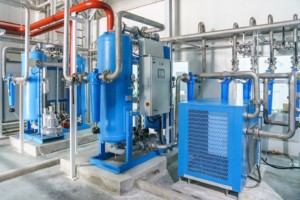
Refrigerated air dryer and Ultrafilter for compressor air

Many different types of machinery depend on O-rings. Without them, your equipment may not work well and, in some cases, be unsafe. If you are an engineer, you will likely need to incorporate an O-ring in almost any mechanical design. Here is more information about O-rings, how they work, and what equipment needs them.

What Are O-Rings?

O-rings are essentially a specialized type of seal or gasket. They provide a seal between two parts to prevent air and fluid leaks. Like most gaskets, they fill in imperfections between the two parts. O-rings work very well with high-pressure applications and tend to be durable.

You can find O-rings made with a variety of materials and thicknesses. Rubber and soft plastics are some of the most commonly used materials, which means that most O-rings are soft and flexible. However, you can also find them made out of harder plastics.

There are two main different types of O-rings. The first is a static O-ring, which you would use between two parts that don’t move. For example, you would use a static O-ring to seal an oil or fluid drain plug. Static O-rings are widely used and very common.

A less common O-ring type is the dynamic O-ring. This O-ring needs to withstand movement and pressure changes, so they are made of more durable materials that are resistant to friction.

Where Are O-Rings Used?

Everything from industrial equipment to household appliances has O-rings. You might find O-rings in:

  • Automotive applications such as your oil pan’s drain plugs or brake equipment
  • Scuba gear as a seal to prevent air leaks
  • Electronic products to keep dust out of components
  • Industrial equipment to keep air and fluid contained and at the right pressure
  • Medical equipment to keep out leaks in filters and connectors
  • Aerospace applications as an important component for several different parts

How Do O-Rings Work?

O-rings are most commonly placed inside a machined groove on one of the two surfaces to be joined. The O-ring creates a typical seal when you put the parts together. The material is soft and pliable and molds itself into position. In most applications, this simple seal is sufficient.

However, O-rings work a bit differently at higher pressures. When you use an O-ring at higher pressure, the O-ring will distort and push itself onto the lower-pressure side of the groove. In some cases, this can cause a better seal.

Once the pressure resides, the seal goes back to its original shape. However, continuous high pressure can damage the seal, so be sure you choose the correct O-ring material.

What Are Signs of O-Ring Failure?

The main sign of O-ring failure is pressure loss or leaks. A good example is with a car’s oil pan drain plug seal. When the O-ring begins to fail, you will see drops of oil on your garage floor. You would see the same type of leak in other equipment under the same circumstances.

If you use the wrong size and type of O-ring, you will have a higher chance of problems. Not only do you need to know the diameter of the O-ring you need, but you also need to know the design, thickness, and type of material. If you choose an O-ring that is too thin or the wrong design, it will not last long and may be ineffective from the start.

Though they are small and seem insignificant, O-rings are important parts for many different pieces of equipment. And though O-rings are generally durable, they can wear out. Sometimes, you may need a new one after you repair a piece of equipment. If you need a new set of O-rings, contact Accurate Products Inc. We make several different O-ring sizes and thicknesses for a variety of needs. Check out our size charts and call us to see how we can be your supplier.

4 Benefits of Adding Leg Tips to Your Furniture Products

September 12, 2022

Large comfortable living room in home

If you manufacture furniture with legs, such as chairs and tables, then the way you finish your products makes a difference. Extra touches here can make your products more attractive to buyers, especially if these touches solve potential future problems.

For example, add rubber tips or caps to your products’ legs during the manufacturing process. These tips fit over the bottom of the legs. They have a number of benefits that might appeal to prospective buyers and make your product lines stand out from the crowd.

How do rubber leg tips make your furniture more attractive to buyers?

1. Provide Long-Lasting Floor Protection

If you put chairs or tables on hard floors, either in a residential or commercial environment, then the legs can do some damage to the surface. For example, the constant motion of a chair moving as people use it can scratch wood floors.

These scratches might start off as cosmetic; however, they will go deeper over time as the chair moves repeatedly in the same places. Your flooring won’t look good for long. While people can put felt pads on leg bases to cover them, this is a temporary solution. Pads don’t typically stick on legs all that long.

If you add high-quality rubber leg tips when you make your products, then you build in surface protection. The tips help protect floor surfaces from repetitive scraping movements. They also fit snugly and permanently around the bottom of their legs. Your customers can be confident that your furniture won’t damage their floors.

2. Protect Furniture Legs

Furniture legs can sometimes get damaged. For example, kicks, knocks, and bumps can splinter or crack the ends of wooden legs. If the legs then get wet, say because they sit on a freshly cleaned floor, then moisture can get inside the wood and cause more damage.

This can be a particular problem in heavy-duty commercial or industrial environments. Here, furniture legs might have exposure to moisture or other damaging substances more often.

If your furniture legs all have rubber tips, then you give them extra protection. The tips create a barrier that prevents surface damage. They also keep the legs dry and safe from exposure to wet or harmful substances.

3. Reduce Furniture Noise

Some furniture legs can be an irritating source of noise. For example, if someone sits on a chair on a hard floor and then scrapes the chair back as they stand up, then the chair will make a grating sound. If you put a lot of chairs together, say in a classroom or hall, then this noise amplifies.

Rubber leg tips reduce this noise. Their rubber materials absorb vibrations. They also prevent legs from scraping loudly on floors by adding a softer and quieter surface material to both metals and woods.

4. Make Your Products More Stable

While you take care to create dimensionally even and stable products, your customers might run into problems when they start using them. For example, if someone puts chairs on an uneven floor, then the chairs won’t rest flat.

Or, if someone or something knocks against a work bench in a factory, then the bench might move. If someone uses power tools or harmful substances at the table, then they could have an accident.

Rubber leg tips make your products more stable. The tips help legs get a grip on uneven surfaces. They also help furniture stay stable. The rubber naturally grips the floor, making it harder for a piece of furniture to move.

If you want to learn more about the benefits of installing rubber tips on your product legs, then contact Accurate Products. We supply high-quality tips for various materials, designs, and color schemes.

4 Things You Likely Didn’t Know About Rubber

September 12, 2022

Various rubber products and sealing products at the exhibition stand.

Rubber is a common material in most industrial items. Indeed, many manufacturing companies can’t function without rubber. For example, any mechanical item that runs on oil likely has a rubber oil seal. The automotive industry cannot make cars tires without rubber, and doctors in hospitals cannot do without rubber gloves. Rubber is also an essential component in electronics due to its insulative properties.

The world cannot do without rubber, but it is a material people often take for granted. In fact, you probably have never wondered about rubber. Explore some facts about rubber that you likely did not know.

1. Where Rubber Comes From

Two types of rubber exist: natural rubber and synthetic rubber. Both types come from different places.

Natural Rubber

Natural rubber is the product of sap from a rubber tree, which you probably know by the name latex. People harvesting latex make a diagonal cut across the bark of a rubber tree and collect the latex in buckets. Latex is a while and milky liquid. Asian countries are the world’s largest producers of latex rubber, accounting for 90% of the rubber produced globally.

Synthetic Rubber

Unlike natural rubber, which comes from a tree, synthetic rubber is the product of polymers manufactured from petroleum products. Synthetic rubber has better thermal and oil resistance. Because of these features, manufacturers usually use synthetic rubber and not natural rubber to produce vehicle tires.

2. How Rubber Is Made

The two types of rubber have different processes due to their varying natures.

Natural Rubber

Unprocessed rubber has little utility. Thus, it must go through several processes to make it useful. After tapping latex from rubber trees, manufacturers roll the latex through a process known as mastication to soften it.

Afterward, manufacturers mix reactive materials into the product to enhance its functionality. Manufacturers then mold the rubber into the desired shapes based on the product they want to create. The rubber then undergoes a process known as vulcanization, where it heats at high temperatures to cure.

Synthetic Rubber

When making synthetic rubber, manufacturers first create a hydrocarbon mixture, which they refine to produce naphtha. They then combine naphtha with natural gas to produce monomers, which bind molecules, creating polymers.

From there, the process is similar to that of making natural rubber. Manufacturers add chemicals to the polymers to form rubber, shape the rubber, then vulcanize it to make it more durable.

3. What the Properties of Rubber Are

The two types of rubber have differing properties.

Natural Rubber

Natural rubber is highly elastic and highly resistant to water and acids. Additionally, it does not cut, tear, or chip easily. The natural rubber also has high tensile strength and adheres well to steel. However, it swells with exposure to oils and has a low thermal resistance.

Synthetic Rubber

Synthetic rubber has excellent thermal resistance and maintains its flexibility at low temperatures. The rubber also has better abrasion resistance than natural rubber and grease and oil resistance. Synthetic rubber also has a long lifespan.

4. What Rubber Allergies Are

Some people are allergic to a protein in latex from rubber trees. Therefore, manufacturers deproteinize latex during rubber production to ensure no one gets injured from using natural rubber products. Synthetic rubber does not contain allergy-causing proteins, making it a suitable option for people allergic to latex.

Now that you know more about what a wondrous material rubber is, we hope you have more appreciation for it. At Accurate Products, we do not only know about rubber but also how to produce several rubber products for many industries, including the agricultural, automotive, HVAC, and gaming industries. Contact us today for all your industrial equipment rubber parts.

Benefits of Rubber in Industrial Flooring

September 12, 2022

Person slipping on a wet floor next to a Caution Wet floor sign


It’s common to consider industries high-risk due to the risk factors at play. Some industrial-level risk factors include spills and trip hazards. A good flooring solution should minimize such risk factors and enhance productivity.

A rubber floor is an excellent choice for industrial use because it is affordable and significantly reduces risk. Rubber flooring is an option that combines the durability of concrete with the comfort and traction of a carpet.

Rubber is also an eco-friendly flooring and doesn’t trap moisture, making it a healthier alternative to other flooring solutions.

Here are more benefits of rubber as an industrial flooring material.

1. Prevents Slips, Trips, and Falls

Industrial areas are hazardous, especially for employees. The majority of workplace injuries occur due to minor accidents and account for 15% of all accidental deaths in the workplace.

The rubber material is excellent in preventing accidents due to its natural traction. Bare surface concrete floor can be slippery when wet. Rubber flooring, however, allows spillage to seep through, reducing the chances of a slip or fall.

With rubber flooring, employees can work without the fear of accidents or falls. Some rubber floors come with protrusion patterns that further increase the friction with foot soles. The textured surfaces provide a sure footing for employees when working daily.

2. Provides Better Foot Comfort & Overall Health

Employee health is a top priority in any workplace.

Industrial work involves walking around and standing on the cold hard floor for extended periods. The physical demands of an industrial site can cause headaches and fatigue in the joints and ankles.

Rubber flooring provides crucial anti-fatigue cushioning properties essential for assembly lines. Employees working on a rubber floor will appreciate the comfort of a rubber, which increases blood circulation.

The soft texture of rubber makes it the preferable choice to relieve stress on employees’ feet, backs, and legs. A rubber floor is a cost-effective solution for employers to reduce employee turnover and insurance premiums.

3. Prevents Floor and Equipment Damage

Rubber is a natural shock absorber. Rubber offers floor protection against sharp or heavy equipment and fragile equipment damage.

Industrial machines often release vibrations and shocks when in use. Concrete and wood are rigid and cannot absorb shock.

Non-absorbent flooring materials rebound the vibrations, compromising the integrity of machinery over time. Placing rubber mats under the equipment helps dispel vibrations and dampen any noise from the machinery.

Rubber flooring is ideal for various applications, including commercial kitchens and gyms. Rubber flooring not only protects your investment but also helps your equipment last longer.

4. Is Heat, Water, and Chemical Resistant

Rubber flooring is ideal where heat, water, and chemicals can easily affect the final product or service delivered.

Industrial machinery tends to release heat when operating. Silicone rubber is heat resistant and excellent for high-temperature applications. Silicone rubber can withstand temperatures of up to 300 degrees Celsius.

Water in the winter may damage wooden or carpet flooring. The water-resistant properties of rubber help keep moisture off. A rubber floor helps prevent the growth of mildew and mold that would otherwise grow on a carpeted floor.

EPDM Rubber (Ethylene Propylene Diene Monomer) is a chemical-resistant rubber. EPDM flooring resists corrosion against common industrial elements such as grease chemicals. EPDM rubber is low-maintenance and a desirable solution for most business owners.

There is no reason not to invest in rubber flooring, given the numerous benefits to employees and the business owner. The plastic flooring design can mimic any natural rock or stone you want. Plus, manufacturers can mold the flooring into any shape creating a unique look for your industrial interior. Furthermore, rubber floors come with varying thicknesses according to your budget.

If you have any questions, don’t hesitate to contact us.

Rubber Extrusion: Definition, Applications, and Benefits

September 12, 2022

Underground electrical conduits in progress of work

Rubber is an indispensable raw material in parts manufacturing. Because of its various uses, manufacturers use varying methods to make rubber products. Extrusion molding is one of the methods used in manufacturing rubber parts.

Rubber extrusion is a highly demanded service in rubber product manufacturing companies. But, few people who pay for custom extrusion products know what the process entails. This article demystifies extrusion molding and highlights its benefits.

What Is Rubber Extrusion?

Rubber extrusion refers to the process of manufacturing rubber products with a specific shape by feeding them into an extrusion machine. The machine has three parts, a feed hopper, a heated shearing screw, and a die. During rubber extrusion, manufacturers use a die with the cross-sectional dimensions of the desired product.

Below are the six steps in the rubber extrusion process:

  1. Manufacturers place unvulcanized rubber into the feed hopper.
  2. Feed hoppers feed the material into the heated shearing screw.
  3. Screws push unvulcanized rubber through the die opening under high pressure.
  4. Pressure makes the rubber flexible, allowing it to take the shape of the die.
  5. Manufacturers vulcanize the rubber to ensure it retains the shape of the die.
  6. Manufacturers cut the product into the desired length.

Most of the time, the rubber material swells as it passes through the die. Therefore, the final product has larger dimensions. As manufacturers make the die, they ensure it can accommodate the material when it swells.

Applications of Rubber Extrusion

Some common products manufactured through rubber extrusion include the following.

Door and Window Seals

These seals fill gaps between windows, doors, and their frames to block wind and water. These seals come in handy for keeping you comfortable in your house or car during adverse weather conditions.

Rubber Fender and Bumpers

These products absorb shock from impacts to your vehicle during accidents. The size and shape of rubber fenders and bumpers depend on the type of vehicle. Thus, this is a vital consideration during extrusion.

Manufacturers even make custom extruded products based on your specifications.

Benefits of Rubber Extrusion

Below are some benefits you can expect from extruded rubber products.

Durability

Manufacturers use high-quality rubber material to make extruded rubber products that last for years. A reputable rubber parts manufacturing company uses production methods that create products that can resist wear and tear.

Cost Savings

During rubber extrusion, there is little raw material wastage. Manufacturers use less rubber material in production, which lowers production costs. Therefore, you can get many rubber products at a low cost.

Branding

You can have your manufacturer make custom rubber extrusion products based on your specifications. Using custom products allows you to offer your customers unique products. Extruded rubber products also offer consistency in quality. Hence, buyers are more confident using your products.

Variety

The dies used in extrusion can take on any shape you desire. You can create a variety of products using this manufacturing method. Thus, you have more freedom in design. Rubber extrusion also allows you to make similar products with varying lengths.

Serviceability

Extruded rubber commodities have multiple specifications and tolerances that allow them to withstand the rigors of frequent use. Depending on the type of rubber used, the commodities can withstand extreme temperature, friction, aging, abrasion, and wear and tear.

If you need a reliable extruded rubber parts manufacturer in the Midwest, look no further than Accurate Products. We are among the best product manufacturers that serve customers in multiple industries. You can trust us to make you high-quality products that meet your specifications. Reach out to us today for more information on our products and to discuss how we can serve you.

  • « Go to Previous Page
  • Page 1
  • Page 2
  • Page 3
  • Page 4
  • Page 5
  • Page 6
  • Go to Next Page »
sales@accurate-prod.com | Contact
773-878-2200
Sitemap | Accessibility
© 2026 Accurate Products
Website Designed by Chicago’s ePageCity